What’s New This Week – 28th October

We have six new resources for you this week, including a new display resource!
This week we bring you six new mental health resources for children as we reach the end of the half term holidays. Halloween is just a stones throw away and children will be settling back into their routines. With darker evenings looming, moods may dip and some children may seem more tired than usual. See what we have below to brighten up your home or classroom!
 
Rainbow Breathing Display – We’re excited to bring you our first display resource and this one was a request. This prints out as 14 A4 pages which you can cut out and easily piece together somewhere visible. Children can place their fingers on the resource if it is somewhere reachable to practise deep breathing, starting at each star and following the colours of our rainbow, breathing in and out. But this display isn’t just limited to classrooms, you can display it at home, on wards, in play centres – anywhere where children may need access to a fun calming technique!
 
The Cup of Calm – This is one of our favourite new resources, the Cup of Calm features fun calming techniques children can do to quickly calm down. We’ve also included a blank Cup of Calm, so that they can draw or write their favourite techniques in their own cup to keep.
 
My Trigger Scale – Learning about what triggers our emotions is one of the best things we can do – identifying what make us feel angry, calm, sad or worried can help us to manage our environment and responses better. Have your children think about what provokes each emotion on this 5 Point Scale.
 
Explore a Feeling – Does your little one fancy themselves as a bit of an explorer? Then they can explore this resource! This is a fun check-in activity which helps your child to assess how they feel and become more mindful of how they are feeling. Asking them to pick a colour that represents the feeling, how big the feeling is and where they feel it on their body.
 
My Anxiety Prep – We’ve had a few requests for social anxiety resources recently so we’ve come up with our Anxiety Prep – but it doesn’t just have to be for social situations, this worksheet can be completed about anything your child may be worrying about. This activity gets them to think about how they can prepare themselves before the event or situation they are worrying about and what they can do during if they feel their anxiety levels begin to increase.
 
My Anxiety Prep – Adults – Our Adults Anxiety Prep, similar to the above, is new to our Motherhood section. A lot of anxiety stems from being unable to control certain situations or fearing the unknown, with this worksheet, you can feel more prepared about what’s to come and focus on what you can control in the moment.
 
Updated! – Hot Chocolate Breathing – Hot Chocolate Breathing was part of our 12 Days of Mindful Christmas last year and was incredibly popular, so we’ve given this a little update ready for the colder months. Decorate the hot chocolate, then imagine cooling the hot chocolate down with big deep breaths.
 
That’s all our new resources this week! If you’re a member, you can find these on the Hub now.
 
If you’re not a member, you can sign up from just £1.99 here.

How To Teach Your Child Deep Breathing

Deep breathing can help children bring their focus to something they can control – their breath – instead of thoughts and fears that can provoke anxiety. Not only this, but deep breathing has many benefits for both mental and physical wellness. Read on to see how to teach your child deep breathing and our six favourite resources.
Lots of adults don’t know how to breathe properly, never mind children! Ever noticed yourself constantly breathing shallow breaths? Or perhaps you’re a mouth breather? When was the last time you took a good deep breath? Breathing is so subconscious, it’s something we rarely ever think about, but it’s also directly linked to many mental and physical benefits.
 
Newborn babies are incredible breathers – they have the natural instinct to breathe properly using their diaphragm (muscle under their lungs) – if you watch them for a short period of time, you’ll see their bellies expand and chest rise and fall as it fills with air.
 
As we get older, we can lose this instinctive breathing, and for many adults, we can become shallow breathers who have a tendency to pull air though our mouths. Breathing patterns can change as we age too, due to things such as our environment, anxiety, stress, pollution, temperature and more.
 
Did you know that if you’re a mouth breather you’re more prone to sleep disorders such as sleep apnea? Or that by constantly taking shorter breaths and not letting your lungs fill, this can lead to an impaired immune system, increased heart rate and high blood pressure? (Have we made you take a big deep breath yet!?)
 
Most of us don’t know the true benefits of deep breathing, it’s not something that we were taught when we were younger. But we believe that by helping your child to take good, deep breaths and practising regular breathing exercises from a young age, they will grow up actively using and knowing one of the best coping mechanisms out there.
 
Benefits of deep breathing
 
Learning to deal with feelings of frustration, anger, hurt, or disappointment can be a really big job for a child who isn’t able to articulate their thoughts and feelings very well —but learning how to manage big feelings is important if they wish to become an adult who can cope with and manage the ups and downs of life.
 
Deep breathing has many benefits, including:
  • Decreasing stress
  • Feeling calm
  • Relieving pain
  • Detoxifying the body
  • Improving immunity
  • Increasing energy
  • Lowering blood pressure
  • Improving digestion
  • Supporting correct posture.
 
How to help your child learn deep breathing
 
We’re not going to lie, it can be hard for a very young child to grasp how to take a deep breath at first – as it’s something they’ve probably never thought about! Plus, for children who like to be active, it can be difficult to get them to focus and sit still long enough! Some children can take to it straight away, whereas for others, it may take a few times for them to really get to grips and see the benefits.
 
  • Keep trying
 
We would always recommend introducing deep breathing to your child when they are calm and ready to learn. Tell them that this can be a useful tool for when they get upset, angry or overwhelmed. Let them know that by becoming more mindful of our breathing, this can actually make us healthier! Take their lead – if they’re bored or don’t like it, forget about it and try again another time.
 
  • Use bubbles
 
Bubbles are a great way of teaching your child how to take a deep breath, the way they draw their breath in and push it out to blow the bubbles through the air. You can show them that by inhaling slowly through their nose, this will help them to take in more air to blow the bubble even further!
 
  • Use the flower method
 
“Breathe in like you are sniffing a flower, breathe out like you are blowing a leaf.” You can practise this at the park using real flowers and leaves – what do the flowers smell like, how far can they blow the leaves?
 
  • Make it fun
 
Kids are very visual and like to see images and engaging techniques can work well. You can use some of our interactive breathing resources to help with this, we’ve listed some of our favourites below!
 
Our six favourite breathing exercises
 
  • Nature Breathing Cards
Is there anything more calming than nature? Our nature breathing cards bring the outside in – directing your child’s finger round the nature inspired shapes, teaching them when to inhale, pause and exhale. You could even try these outside by finding them in nature and using the same techniques – although we would suggest you forego the sun and rainbow breathing in that case!
 
  • Mindful Finger Tracing
Mindful Finger Tracing is one of the most effective ways to help children and adults calm down fast by having them focus on controlling their breath and finger. We have these fun Mindful Finger Tracing cards which are shaped like animals, and we also have our Halloween Pumpkin Tracing which is new this week to the Hub!
 
  • Rainbow Breathing
We have a few different rainbow breathing activities on the Hub including our Grounding Rainbow (a two in one breathing and grounding technique) and our Rainbow Breathing Craft (pictured). We also have rainbow breathing activities in our Nature Breathing Cards and some of our resource packs! Lots and lots of positivity inspired rainbows!
 
  • Shape Breathing
We have two versions of our Shape Breathing – one for younger children which is simpler and one for older children which involves counting breaths and pausing for longer. We would recommend you choose which is best suited to your child depending on age and their capability with deep breathing.
 
  • 5 Finger Breathing
This is one of our most popular breathing activities and one of the most simple – this can be done from anywhere simply by using your own fingers. Teach children to trace around the outline of our hand – or their hand – breathing in and out.
 
  • Bug Breathing
We know that a lot of younger children LOVE bugs with a passion (whilst others find them icky!) – so we created our Bug Breathing cards just for them. Similar to other breathing techniques, have your child trace their finger round the bugs following the prompts to breathe in, pause and breathe out.
 
We have adult breathing exercises too!
 
Did you know that we have adult breathing resources too? Including our Adult Finger Tracing below? You have access to all our adult resources as part of your membership!
 
Try our free Mindful Monsters eGuide…
 
If you’re not a member, you can try our free Mindful Monsters eGuide which details some fun breathing exercises to try at home or in the classroom. You can view it here.
 
Sign up to access our Breathing Resources
 
If you fancy signing up to access any of our breathing resources above, you can do so here.

What’s New This Week – 21st October

Halloween, harvest and happy thoughts! We’re nearly at the end of the month and for some schools, half term is here. See what we’ve got to keep your kids busy – and feeling good – this week…
We have some more Halloween themed resources, including Pumpkin Breaths, a social anxiety worksheet and a ghoul-ish activity for you! Continue reading below.
 
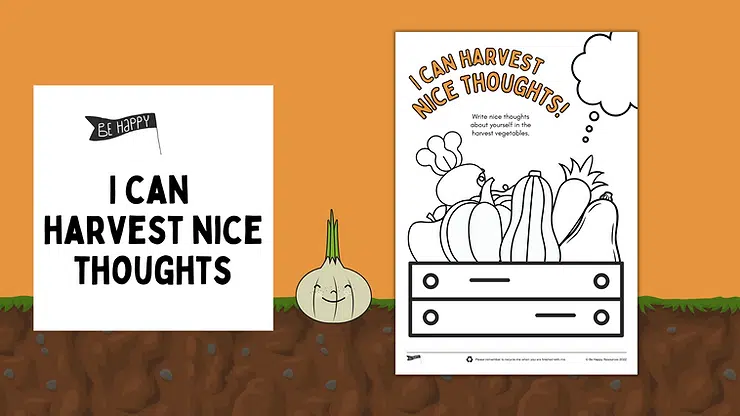
I Can Harvest Nice Thoughts – October is a time for harvest and being thankful for the food we eat. This is a nice little activity to fit into your day. Use this seasonal resource to encourage children to think about what they like about themselves – and relish in all those warm and fuzzy thoughts!
 
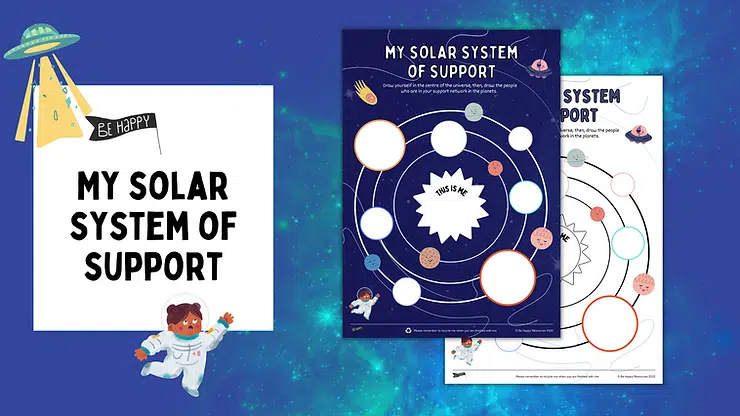
My Solar System of Support – Help children to realise who is in their ‘Solar System of Support’ by having them draw or write the names of those in their support network around them. Draw themselves in the middle and have them look at all the people they can talk to and trust – this is their very own Solar System of Support!
 
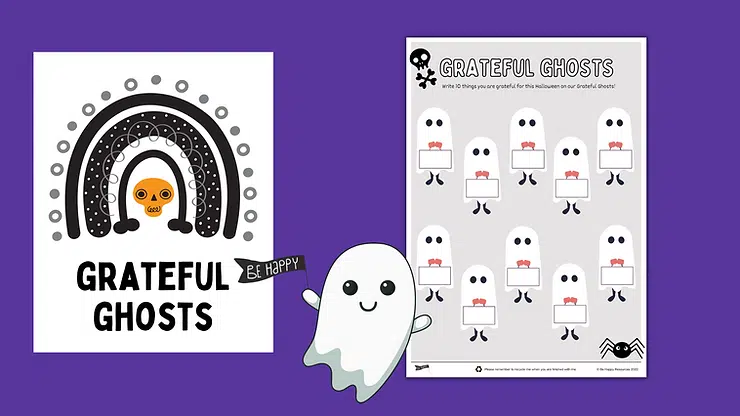
Grateful Ghosts – Gratefulness is one of the best things we can practise for positive mental health. This ghoul-ish activity asks your child to list all the things they are thankful for this Halloween – and there are NO wrong answers! Perhaps it’s sweets, costumes, food, parties, friends – there are lots of things to be thankful for this month.
 
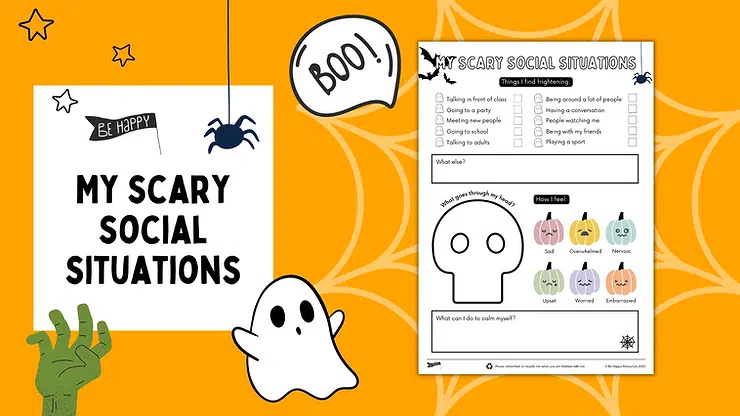
My Scary Social Situations – We’re quickly approaching the party season, Christmas gatherings, bonfires and Halloween parties loom – but lots of children can struggle with being around people, even people they know. This activity helps them to realise what situations they struggle with the most and think about what works to calm them when they start to get upset or anxious.
 
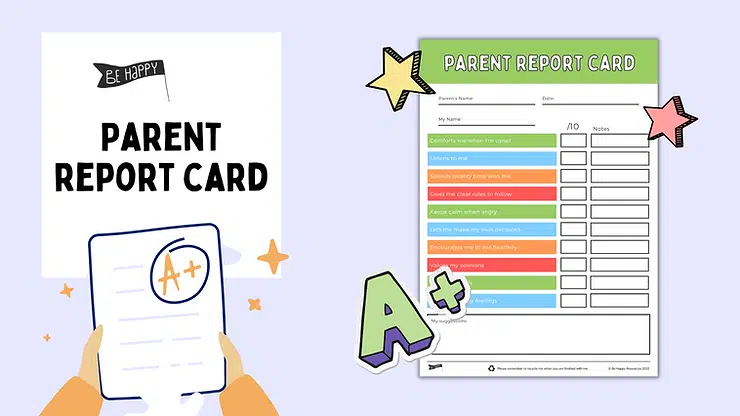
Parent Report Card – We’re always giving our children feedback – but rarely do we ask for it in return! Have them fill in this report card to see what areas they think you can improve in. It’s not an activity to criticise, but one that helps you to become closer and ensure you’re always meeting their emotional needs.
 
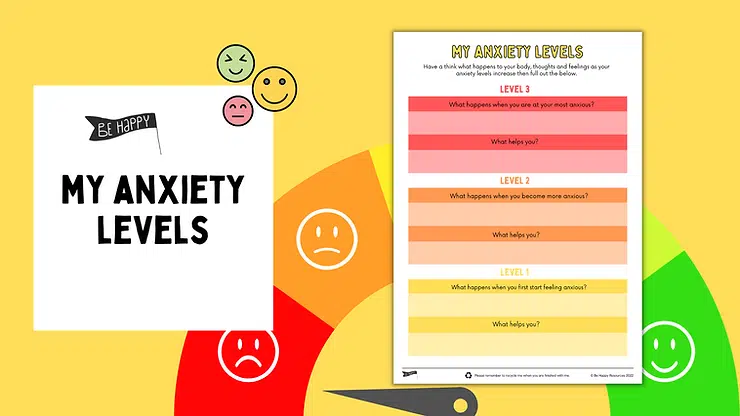
My Anxiety Levels – In this worksheet we’ve categorised anxiety into three levels – helping children to think about their body responses, thoughts and feelings at each stage as their anxiety levels increase. It then asks what can help them at each stage – the more awareness they have around their anxiety response, the better they can manage it.
 
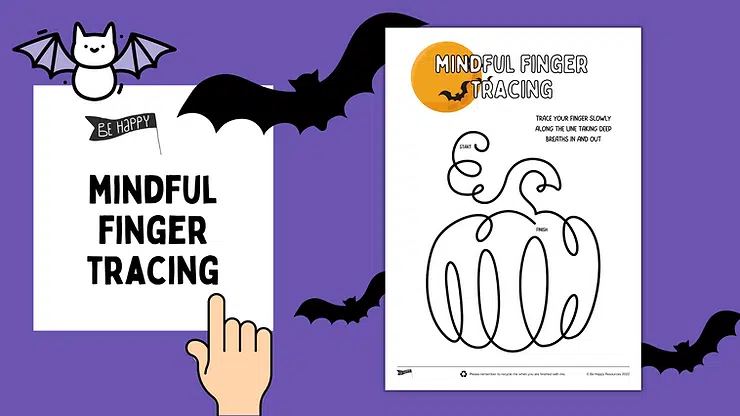
Mindful Finger Tracing – We’re a big fan of finger tracing if you haven’t noticed and children love it too! This is a wonderful grounding activity that helps children to refocus on what’s in front of them and what they can touch and control, rather than any escalating thoughts and feelings. If you want to help your child calm down fast, this Halloween themed activity is definitely worth a try!


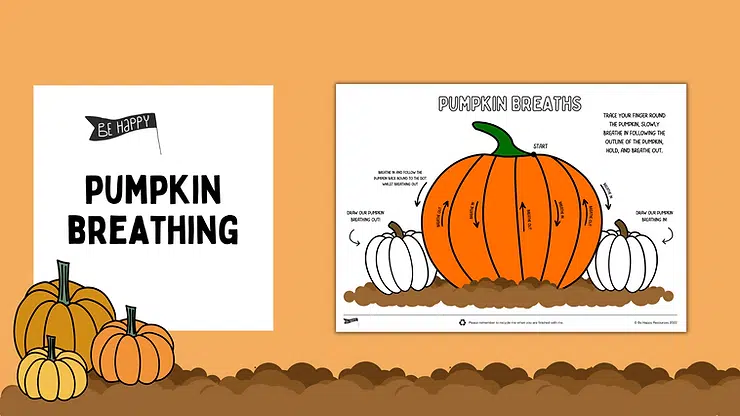
Pumpkin Breaths – There’s always a way to bring deep breathing into your day, event or season! Pumpkin Breaths helps children to take deep breaths in and out, focusing on tracing their finger around the Pumpkin following the prompts. We’ve also included a bonus exercise on this worksheet – can they draw a face on our pumpkins to make it look like they are breathing in and out?
 
That’s all for this week! Which is your favourite this week? Remember, you have to be a member to use these resources – you can sign up here.
 
What would you like to see on our Hub? Don’t forget that as a member you can request your own resources at no extra cost! Find our Request a Resource form in our Hub and we’ll get back to you with timescales!

What’s New This Week? – 14th October

We have 12 new resources for you this week, including some more mindful Halloween fun and a join activity for mums and minis.
On Monday we celebrated World Mental Health Day, and what a day – we smashed our daily sign up record by 10am and released a brand new activity, which was downloaded by over 500 of you in just 24 hours. You can find out more about this activity at the bottom of this page.
 
But we want to continue the momentum and get our techniques and activities to become a part of every day life. So this week we have brought you some new mood trackers, thought management techniques and even a glimpse into the future. Find out what fun, new mental health resources and activities we have for you below!
 
My Thought Control – Imagine a world where you could pause or skip your thoughts? Now you can help children visualise stopping unhelpful thoughts with our Thought Control activity. What buttons would they like on their control? Perhaps a volume button to turn down their thoughts? – And increase those more helpful ones? They can use their control to temporarily stop their bothersome thoughts until they are more equipped to deal with them or can find someone they trust to talk to.
 
The Calming Wave – The Calming Wave is a well known mindful activity that helps to calm big emotions – where you imagine a wave washing over your body from your head to your toes. We’ve adapted this slightly for children, giving them their own Calming Wave to colour in and decorate, helping them to more vividly visualise the wave as it washes over them, taking away their worries and woes.
 
Positivity Potion (Adult and Kids resources) – Hocus Pocus 2 has got us in the mood for spell casting and potion planning. You can find our Positivity Potion activity for mum and mini online now! This is a feel-good activity for you to do with your little ones, prompting
discussions about what helps us think more positively and what positive thoughts are.
 
My Crystal Ball – A child who struggles with their mental health may struggle to see a positive future. Help them to think about what nice things they want in their future with our Crystal Ball. The key question here is ‘what do they want?’ not ‘what do they see?’
 
Pumpkin Emotions – A fun and simple emotion activity! Draw some emotion faces on our pumpkins and label the emotions below. Who can do the best scared face!? It is Halloween after all…
 
Belief-O-Meter – Hypothetical worries and critical thoughts can often take hold and become hard to shake. Have your child put bothersome thoughts against our Belief-O-Meter! How true is the thought? How true do they believe the thought to be? Often just seeing a thought written down can be enough to see that it is not true. Have your child write their thoughts in our thought bubbles, then for each thought, draw an arrow on the Belief-O-Meter to show how much they really believe it.
 
Halloween Mood Colouring – This colouring activity gets children thinking about what colours can reflect our moods. Ask them to choose four colours they think defines the mood they’re feeling today – if they’re feeling happy, it could be yellows and bright colours, if they’re feeling angry, it could be red or fiery oranges. Once they’ve finished, you should be able to get a sense of how they’re currently feeling.
 
Weekly Mood Tracker – We love mood trackers at BHR. It’s such a simple activity to help children become more mindful of their emotions, track patterns and manage day to day feelings. This weekly tracker can be used to track a range of day to day feelings, as we know that during the day, we can go through many different emotions and moods.
 
Halloween Doodling – “When you feel scared, sad or stressed, pick up a pencil and put your doodling to the test! Continue the line, swirl or draw, keep doodling until your worries are no more.”
 
Inspired by the guy who covered his mansion in doodles – did you see that in the news? – it made our head hurt a little! It got us thinking about how therapeutic and mindful doodling is. Not only this, but did you know that you can get a sense of what is going through someone’s mind just by looking at their doodles? Encourage your children to get creative and put their mind to paper with these doodle sheets!
 
Breathe Colouring – Our colouring sheets are incredibly popular and are one of the most simple mindful activities you can do. You can download our ‘Breathe’ colouring sheet from the Hub now.
 
New for World Mental Health Day – Looking After My Mental Health – We brought you this new activity last weekend and know that so many of you downloaded this to use with your classrooms and children. This activity isn’t just for WMHD and can be used at any time to discuss ways to promote positive mental health and look after our wellbeing.
 
Update on our Trauma Pack
 
We know that a lot of you are waiting for our new 35 page Trauma Pack. This is currently with our clinical psychologist for review. If you’d like to know when this is ready, make sure you’re signed up to our mailing list.
 

What’s New This Week? – 7th October

Anger resources for children age 9+ and some seasonal mindful colouring. Take a look at what’s new below
This week we have some more fun emotional learning activities as we approach World Mental Health Day, as well as some new anger resources – plus activities for Diwali and Black History Month.
 
Emotions in the Ocean – A fun activity for World Mental Health Day to get children talking and thinking about different emotions. Can they think of a time they felt each emotion?
 
Before I Explode I Will… – Helping children to visualise their anger like a volcano is a great way of learning to spot internal signs – can they think of how they feel before they ‘explode?’ In this activity, help them to think of things that they can do when they feel the heat rising.
 
The Anger Iceberg – This is a popular, tried and tested method that helps us to realise what thoughts and feelings are leading to anger. Anger is much like an iceberg, on the surface we are only showing a small amount of what is really going on. Anger is often the accumulation of many different emotions. This activity encourages children to think about what is leading to their anger ‘beneath the surface’ – this can be thoughts, emotions or situations, then it asks them to think about how they show this on the outside.
 
Exploring My Anger – Helping children to understand their triggers and emotions is one small step in helping them control their anger. This worksheet helps them to reflect on emotional outbursts by thinking about what led to the anger and what they can do differently next time. Have them rate their anger on the anger thermometer, and track the level of each outburst.
 
Diwali Mindfulness – The business of celebrations is the perfect time to sit down and focus on your senses. This grounding activity can help children to feel calm when the excitement and festivities build up around them. Focusing on what they can see, hear, smell, touch and taste is a fun way to add some mindfulness to this year’s festival.
 
Diwali Colouring Sheets – We have created lots of fun, mindful colouring sheets for Diwali. Our Diwali colouring pages are a fun way for kids of all ages to develop creativity and focus, improve motor skills and feel calm during celebrations.
 
Black History Month Colouring Pages – October marks Black History Month, the annual commemoration of the history, achievements and contributions of black people in the UK. Our colouring pages are a mindful way to celebrate black history and culture and help children to feel inspired.
 
My Gratitude Tree – All the autumn feels with this feel-good activity! – Have your child write down one thing they are grateful for in each leaf. You may be surprised what they think of!
 
Emotions Word Search – Bring emotional learning into your every day with this mindful word search. Bonus points for acting out each emotion when they find it!
 
You can download all these activities now by signing up to. the Be Happy Hub!
 

Six Mindful Activities for a Calm Halloween

Halloween is scary, terrifying, exciting – and for many children – overstimulating. Our resources can help your child keep their sense of calm throughout the spooky season.
Halloween can be an overwhelming sensory experience for many children, and when coupled with the sugar from the annual sweet drive, it can leave many kids feeling out of sorts.
 
Here are six resources you can download right now to have a calmer Halloween:
Spider Web Breathing – A fun and simple breathing exercise which helps your child to practise some deep breathing to regular their breaths and emotions. Have them trace their finger around the web, breathing in and out, until they reach the spider.
 
Halloween Scavenger Hunt – Trick or treating can be scary and exciting, why not take along this Halloween Scavenger Hunt this year and help your child become more in tune and mindful of their surroundings? They can tick off the things they see and hear as they make their way round, helping them to remain grounded and focused on their environment.
 
Build a Skeleton – Have fun creating your own Halloween decoration with our spooky skeleton! Sitting down to create your own decorations is a great mindful experience, having children cutting, glueing and crafting can help them to feel calm and focused and give them a sense of accomplishment. Optional – use split pins to make a skeleton that moves!
 
Face Your Fears – Let’s get thinking about the things that scare us and what make them so scary. Perhaps it’s spiders or monsters – the trick here is to draw them so that they become less scary. Perhaps it’s a spider with a silly face and a party hat or a skeleton with a funny moustache? Make those fears seem less fearful and have a great laugh with this activity! Your child can also do this for their teacher’s and friend’s fears to prompt discussions around phobias and why we feel scared.
 
Halloween Colouring – We have lots of mindful colouring sheets online now including sheets for our younger minds (we promise these are cute and not scary!) plus our spider web intricate colouring sheet for older children. This one has been extremely popular – and with unlimited downloads – you can print and colour as many times as you want!
 
Pumpkin Emotions – A simple and fun emotion activity, children can either draw the two emotions they feel at that moment or during Halloween, or maybe they just want to design two silly pumpkin faces. Anything goes in this activity!
 
We have lots more activities coming throughout October for Halloween and the approaching half term, including more resources for older children age 9-11.
 
Keep your eyes peeled or sign up to our mailing list to see what’s added and when.
 

Yes, Children Can Have SAD – Here Are The Signs

Seasonal Affective Disorder doesn’t just affect adults – here we’ll explain how SAD can affect your child’s behaviour and emotions.
 
 
Colder weather and darker evenings can bring about a shift in our mental health. Whilst some people relish the changes a new season brings, for others, it can be a trigger. SAD can be mildly affective for some, but crippling for others – with many of the world’s population reporting a change in mood and energy when the shorter days and lower temperatures roll in.
 
What is Seasonal Affective Disorder (SAD?)
 
SAD is a type of depression that has a seasonal pattern. The episodes of depression tend to occur at the same time each year, usually during the winter. The exact cause of SAD is not fully understood, but it is thought to be linked to reduced exposure to sunlight during the shorter days of the year.
 
“In terms of symptoms, seasonal affective disorder and depression are one and the same,” says Heather Bernstein, PsyD, a clinicalpsychologist at the Child Mind Institute. “Seasonal affective disorder is essentially major depressive disorder that occurs during specific months of the year.”
 
How does SAD affect children?
 
Children can find it hard to put how they’re feeling into words, so often their behaviour can become their method of communication.
 
Changes in mood
 
A child with SAD can feel sad or teary during the winter months, they may become more irritable and angry. It may feel like the smallest thing can cause them to become upset or overreact.
 
Low self esteem
 
Changes in your child’s mood can cause them to become more critical of themselves or more likely to take things to heart. This can cause them to develop lower self esteem during the winter months.
 
Changes in appetite
 
Children with SAD may crave more comfort or sugary foods during the winter, they may have the tendency to overeat, or they may not feel like eating at all.
 
Lack of interest
 
Your child may show a lack of interest in things, toys or games they normally enjoy. They may not want to play with friends or take part in extracurricular activities they usually love.
 
Difficulty concentrating
 
SAD can cause children to lack their usual motivation, which can affect school work and performance during the winter. Have you noticed a change in your child’s school grades during these months? Or perhaps you’ve noticed they feel more motivated to complete their school work in the summer.
 
Outbursts or tantrums
 
Children struggle to communicate their emotions and this can come out in outbursts of anger or tantrums. If your child is regularly displaying outbursts or feel like they lose control in certain situations, it’s important to work with them to get to the root cause.
 
Tiredness or difficulty sleeping
 
Children with SAD may experience unusual tiredness or unexplained fatigue. As a result, they may sleep a lot more than usual. This can make it really difficult to get up for school in the morning, stay awake during school or even complete their normal activities. Equally, you may find that a child with SAD may have trouble going to sleep or staying asleep.
 
Clinginess
 
SAD can often experience bouts of separation anxiety during winter, especially when children have to leave the comforts of their caregiver.
 
It’s important to remember that lots of us experience changes in our mood during seasonal changes, but this doesn’t necessarily mean we have SAD. If you think you or your child have SAD, the best thing to do is make an appointment to discuss your symptoms with your GP.
 
Sources / More information:
 
What Parents Need To Know About SAD:
 
Does My Child Have SAD?
 
Tips For Coping With SAD:
 
NHS Seasonal Affective Disorder:


What’s New This Week? – 24th September

We’re back in business and we’ve got some new, fun educational worksheets for you this week!
This month we had a little change of direction with the death of Queen Elizabeth II and decided to focus on bringing you free resources to help children process any thoughts and worries they had. But now we are now back on track with our upload schedule, bringing you seven new resources and activities. See what educational emotion resources we have for you this week below!
 
The Happy Llama – This feel-good activity encourages your child to think of all the things that make them happy, whether it’s people, places, food, hobbies – this task challenges them to think of everything that puts a smile on their face. How happy can they make our Llama? The more they write on the Llama’s neck, the happier he grows!
 
When I Make a Mistake I Can… – Part of facilitating a growth mindset and encouraging children to deal with unexpected challenges is helping them to realise that mistakes are part of life. Your child can use this checklist when they’ve made a mistake to help them think about their next steps and build their resilience. Remember, mistakes help the brain grow!
 
Create Your Own Emotion Chart – This blank emotion scale can be used in so many ways! Whether it’s having your child come up with their own scale that reflects the emotions they feel on a daily basis, or whether it’s a classroom activity to help children order their emotions from happy to angry and colour in accordingly.
 
My Glad, Sad and Mad Chart – What makes your child feel glad, sad and mad? Recognising triggers for our negative emotions can help us manage our thoughts and feelings more effectively. The chart scales up to red, with mad being the most intense emotion they can feel – it’s always helpful to think of ways to stay in the green!
 
Today I Feel… (Grief Focus) – This is a simple but effective grief resource to help grieving children track their emotions through each stage. Grief is a personal process and is different for everyone, this checklist can act as a way of bringing up and discussing any bothersome emotions or worries your child may have.
 
Describe the Monsters – Another fun emotion learning activity for young children. We want emotional learning and discussion to be a part of every day life, whether your child is learning colours or numbers, we love to think of ways that learning about emotions can easily slot into this learning process. This activity asks your child to describe the monsters using our given adjectives – which do they think is the smelly monster!?
 
Colouring Sheets for Older Children – We know that some older children think they’re ‘too old’ for colouring! But colouring is one of the most mindful activities you can do, and once you start, it’s easy to get into the swing of it! We have five new encouraging and positive statement colouring sheets to complete.
 
Hub Redesign
 
At the moment we are focusing on re-designing the Be Happy Hub and filtering our resources more effectively. This is to ensure that you continue to have the best, possible experience of finding and downloading resources to use as we grow. Please bear with us as we make changes, if there’s anything you’d like to know or ask – or any suggestions you may have – you can contact us on hello@behappyresources.co.uk.
 
New Resource Packs
 
We are still pressing ahead with our two new resource packs – our Confidence Pack and Trauma Pack – and these are due to launch in the next few weeks. We appreciate your patience as we continue to create and make resources.
 
Your Requests
 
With children back at school we’ve had a lot of requests over the last few weeks, we reply personally to each and every request and try to accommodate all requests in our upcoming upload plans. Please remember to feedback on our resources too, we love to know what you found the most fun, which resources worked best and of course, we love to see your stories and pictures!


How to Talk to Children About Death

No doubt over the next few days and weeks, children across the UK – and the world – may be asking and wondering about life, death and what it means now Queen Elizabeth II has died.
On the evening of Thursday 8th September, Buckingham Palace announced the death of Queen Elizabeth II after a historic 70 year reign. For children who have this year just celebrated the Platinum Jubilee, and who will be gaining more awareness about the world around them, it is natural to ask questions and be inquisitive about what this means, and the changes ahead.
 
It’s important to remember that during this time, children will pick up on what’s going on around them, whether it’s from overhearing things on the news, snippets of conversations between adults or talk in the playground – kids take in more than we realise, and when not addressed or explained, this can affect their emotional wellbeing.
 
Why do the deaths of prominent figures hit us hard?
 
Whether you’re a fan of the royal family or not, there is no denying that the death of Queen Elizabeth II will resound round the world. Logically, we know it doesn’t make a lot of sense to feel sad about the death of someone we didn’t really know on a personal level, but according to psychologists, the grief we feel is very real – and it’s all thanks to our memories.
 
Celebrities or public figures that have been prominent in our lives become a repeat figure in our minds – and this can often make them appear to be immortal. Queen Elizabeth II has been a huge part of all our lives, and for many of us, a prominent figure since we were born – when these prominent figures die, it can really hit us, and cause us to remember that death happens to everyone. It causes us to question our own immortality, and grieve as we would someone we knew in real life.
 
How might our children be feeling?
 
Depending on the age of your child and their understanding of death, there may be some confusion around what has happened. For a younger child, they may not understand why this is suddenly huge news that everybody is talking about or why things around them seem to be different.
 
For older children, it may bring about anxieties of death, bringing this topic to the forefront of their minds. They may think ‘well, if the Queen can die, who else might die?’ It is important to talk to children about what they have heard or seen and ask them how they’re feeling about what’s in the news.
 
How to talk to children about death
 
It’s a topic that no one likes talking about, but one that children will often wonder about and ask questions about. Over the next few weeks, it will be natural for your child to ask about what has happened to the Queen, what it means when we die or what will happen when we die.
 
Here are our tips on how to talk about death with children:
 
1. Ask them what they think and know first
 
Ask your child about what they’ve heard or what they know first, as this will help you build your answer. They may already know more than you realise.
 
2. Use simple, clear words
 
When we talk about death, it’s almost innate within us to use euphemisms such as ‘passed on’ or ‘gone away,’ but research shows that using realistic words helps children to come to terms with death much more easily. It’s ok to use words like ‘death’ or ‘died,’ as these are words that they will hear as they go through life.
 
3. Be comfortable saying ‘I don’t know.’
 
You don’t have to have all the answers, no one does. If your child asks something you’re not sure about, say you’re not sure but you’ll try to find out. Being honest is better than making something up.
 
4. Avoid the phrase ‘ gone to sleep.’
 
Avoid saying that someone ‘has gone to sleep,’ or ‘gone away,’ as this can make children fear going to sleep at night, or fear you leaving them.
 
5. Share discussions about emotions regularly
 
Death can be a confusing subject and can bring about a lot of anxiety for some children. During this period, or any period when someone you know dies, be sure to open the channels of communication regularly. Ask your child how they’re feeling and if there are any questions that they have about what is happening. It is best to do this when they are feeling relaxed and undisturbed.
 
If you would like to explore the subject of grief and loss with your child in more detail, you can download our free eGuide here:
 

The Winners Of Our 50 Schools Competition 2022

Congratulations to the 52 schools who have won two free annual log ins to our Hub!
We’ve had over 5,000 nominations in a giveaway worth over £2000, now, we are extremely excited to announce the 52 schools who have won two free annual memberships to the Be Happy Hub.
 
Our aim is to make mental health learning affordable and accessible, we believe that by helping children understand mental health and how to look after their wellbeing from an early age, we can build a mentally healthier generation. As part of this aim, we wanted to give 50 schools in the UK free access for a year to our Hub to help facilitate mental health learning in the classroom.
 
The results were extremely close, so we have chosen 52 schools due to a number of schools having the same number of votes.
 
And the winners are, in order of the most votes received:
 
1. Hillhead Primary School – 2 Kilmaurs Rd, Kilmarnock, KA3 1QJ
2. Trawden Forest Primary School – Dean Street, Trawden, Lancashire
3. Holy Family Catholic Primary – Lytham Rd, Warton, Preston PR4 1AH
4. Lordswood Primary School – Lords Wood Ln, Chatham ME5
5. Lee Chapel Primary School – The Knares, Basildon SS16
6. Nathaniel Newton Infant School – Victoria Rd, Hartshill, Nuneaton CV10
7. Woodmancote Primary School – Station Rd, Woodmancote, Cheltenham GL52
8. St George’s C Of E Primary school – London Rd, St George’s, Telford TF2 9LJ
9. Brooksward Primary School – Tower Dr, Neath Hill, Milton Keynes MK14 6JZ
10. Colne Park primary school – Rutland St, Colne BB8 0QJ
11. Peasedown St John Primary School – Bath Rd, Peasedown St John, Bath BA2 8DH
12. Church Gresley Infant and Nursery School – Pennine Way, Swadlincote DE11 9EY
13. Hayesdown First School – Wyville Rd, Frome BA11 2BN
14. Kirkham and Wesham Primary – Nelson St, Kirkham, Preston PR4 2JP
15. John Hunt Academy – London Rd, Balderton, Newark NG24
16. Croft Junior School – Northumberland Ave, Nuneaton CV10 8ER
17. Llanfoist Fawr Primary School – School Way, Llanfoist, Abergavenny NP7
18. Paulton Infants and Junior School – Plumptre Rd, Paulton, Bristol BS39
19. Wroxton C of E Primary School – Lampitts Grn, Wroxton, Banbury OX15
20. Wolverley Sebright Academy – Franche Rd, Wolverley, Kidderminster DY11 5TP
21. Bracken Leas Primary School – Magdalen Meadows, Brackley NN13
22. Washacre Primary School – Clough Ave, Westhoughton, Bolton BL5 2NJ
23. Callington Primary School – 24 Saltash Rd, Callington PL17 7EF
24. Thingwall Primary School – 559 Pensby Rd, Thingwall, Birkenhead, Wirral CH61 7UG
25. St Thomas Community Primary School – 80 Grenfell Park Rd, St Thomas, Swansea SA1 8EZ
26. Portfield School – Portfield, Haverfordwest SA61 1BS
27. Ashington C of E Primary School – Foster Ln, Ashington, Pulborough RH20
28. Crosshouse Primary and Communication Centre – Playingfield Rd, Crosshouse, Kilmarnock KA2
29. St Peters Primary School – Cherry Tree Cl, Bromyard HR7 4UY
30. John Henry Newman Academy – Grange Rd, Littlemore, Oxford OX4
31. Orchards C of E Academy – Cherry Rd, Wisbech PE13
32. Naunton Park Primary School – 73 Naunton Ln, Cheltenham GL53 7BJ
33. Kidgate Primary Academy – Kidgate, Louth LN11
34. Werneth Primary School – Coppice Street, Oldham OL8 4BL
35. Stanbridge Primary School – Stanbridge Rd, Bristol BS16 6AL
36. St Andrews Primary School – Station Rd, Congresbury, Bristol BS49
37. Mildmay Primary School – Robin Way, Chelmsford CM2 8AU
38. Bird’s Bush Primary School – Birds Bush Rd, Tamworth B77
39. St Winefreds Catholic Primary School – Whitford St, Holywell CH8 7NJ
40. Corpus Christi Catholic Primary – Gladys Ave, North End, Portsmouth PO2
41. St Margaret’s CE Primary School – Crossgate Peth, Durham DH1
42. Beechcroft Infants School – Beechcroft Rd, Upper Stratton, Swindon SN2 7QE
43. Ysgol Dewi Sant – Rhuddlan Rd, Rhyl LL18
44. John Cross C of E Primary School – Garstang Rd, Bilsborrow, Preston PR3 0RE
45. New Park Academy – Green Ln, Eccles, Manchester M30 0RW
46. London Meed Primary School – Chanctonbury Rd, Burgess Hill RH15
47. Malmesbury Park Primary School – Lowther Rd, Bournemouth BH8 8LU
48. Hazeldown Primary School – Maudlin Dr, Teignmouth TQ14
49. Lark Hill Community Primary School – Liverpool St, Salford
50. Water Meadows Primary School – Shaftesbury Rd, Hersden, Canterbury CT3 4HS
51. North Wheatley C of E Primary – Sturton Rd, South Wheatley, Retford DN22 9DH
52. Queensgate Foundation Primary School – Beatrice Ave, East Cowes PO32
 
How To Claim
Each winning school is entitled to two annual memberships to our Hub, all we need to set up your membership is an email address. To claim, we ask that a representative from each school email us at hello@behappyresources.co.uk citing your two preferred email addresses. Each email address will then receive an invitation to set up their free account. Please email us from your school address. You have two weeks to claim the prize, if the prize is not claimed within two weeks the prize will automatically go to the next school with the highest number of votes. We of course, will try to contact you if you have not contacted us before the two weeks is up.
 
Schools Get £20 Off This September!
 
If you haven’t won our competition, but still want to join – we are offering £20 off our Schools Plan this September! Our Schools Plan entitles you to five annual log ins to our Hub, which can be used simultaneously across your school. You can purchase this now for just £59.99 (usually £79.99) – meaning you get five log ins for less than the price of three! Please note that our free octopus is not included in this offer.
 

Our

Members Include

Get 50% off this toolkit now!

* indicates required

    Leaving so soon?

    Before you go, can you give us a reason for your cancellation?

    Fields marked with an * are required.

    For more details on how we handle your data, please view our Privacy Policy.

      Contact me regarding... What’s New This Week – 28th October

      Fields marked with an * are required.

      For more details on how we handle your data, please view our Privacy Policy.

        Contact Us Today

        Fields marked with an * are required.

        For more details on how we handle your data, please view our Privacy Policy.